
More than 10,000 kilometers from France, the Guangxi “ Tour ” requires several months of preparation. Shipping bikes and equipment, customs formalities, on-site supply: a behind-the-scenes look at the logistics of the DECATHLON CMA CGM team.
The DECATHLON CMA CGM team’ riders s arrived in China on October 9. However, all of the team’s equipment had already been there since September 30—two weeks before the start of the race (October 13–18). Behind this time difference lay several months of preparation and the logistics of arranging air transport.
I. The Imperative of the Administrative Calendar
For the Guangxi Tour , the final stage race on the WorldTour calendar, logistical preparations begin several months before the start. Julien Duval, director of the sports logistics division, coordinates the various stages of this process. This initial planning phase allows for an assessment of the host country’s specific regulations: visas, import formalities, and local procurement options.
“We start reviewing the files five or six months in advance,” says Julien Duval. “We go through everything related to passports and visas that needs to be done. Luckily, there weren’t any that needed to be renewed this year. That made the entire administrative process much simpler.”
Preparations then pick up about a month before departure.
For this Chinese edition, a major constraint dictated a strict schedule: local government offices were closed from October 1 through 7 for the National Day holiday. With staff scheduled to arrive on October 9, we couldn’t risk having the freight held up at customs. The bicycles therefore left France on September 23 to ensure they would clear customs before the shutdown and to allow for a safety margin in case of unforeseen circumstances.


II. From Lyon to China
For the Guangxi- Tour , the team is relying on CEVA Logistics, a subsidiary of the CMA CGM Group, to arrange air transport of the equipment to China and handle the associated customs formalities.
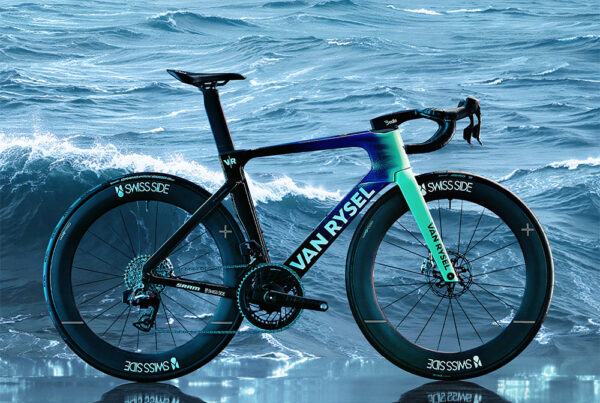
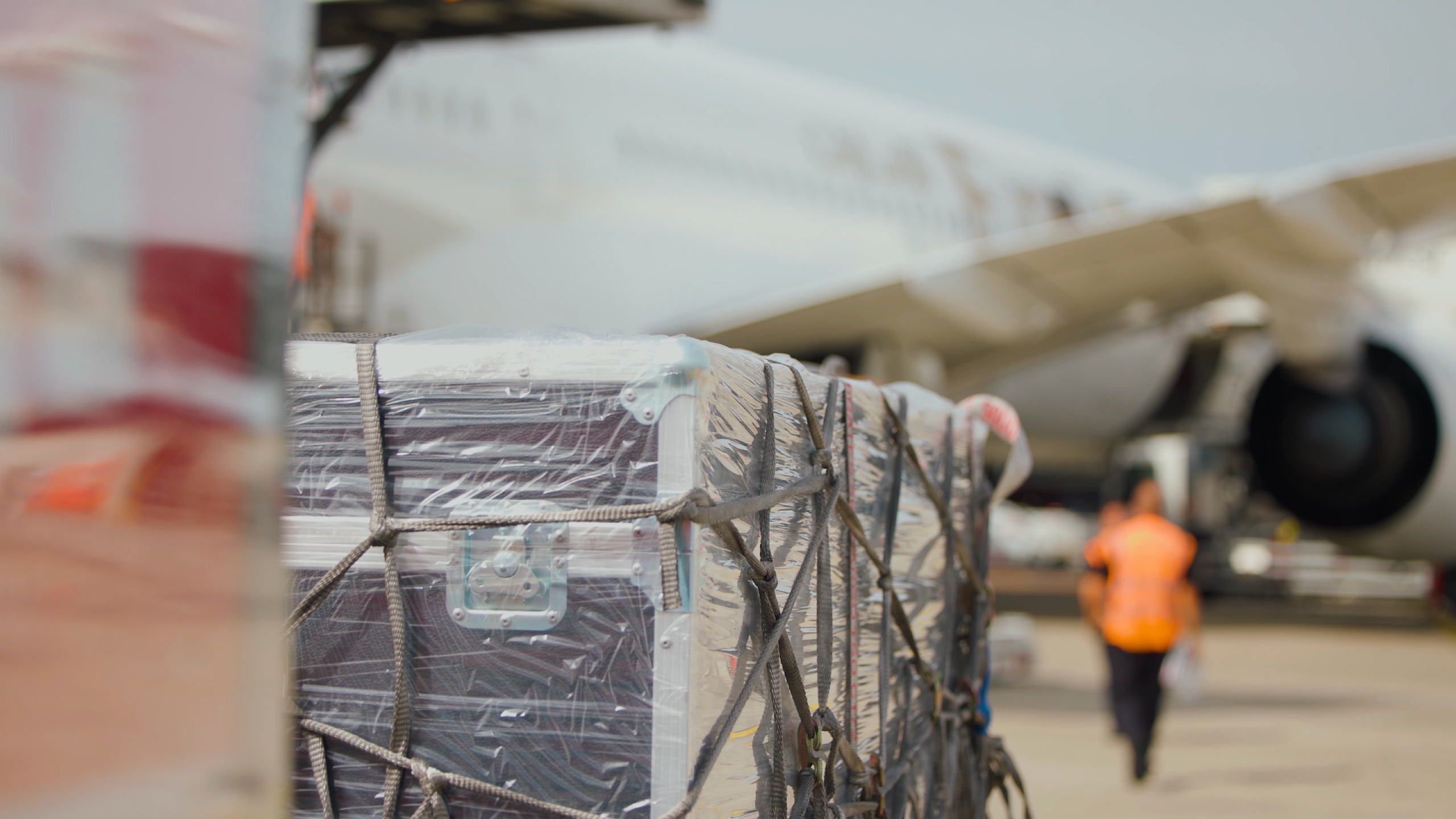
And here’s something new: since 2026, the DECATHLON CMA CGM team has been using specialized transport cases, known as flight cases. Inspired by those used in Formula 1, they protect the 16 bikes from the riders, the wheels, the spare frames, and some of the workshop equipment during transport.
Already used during the trip to Australia earlier this year, these crates were the subject of a first-of-its-kind video documentary this time around. The footage traces the various stages of the journey, from the preparation of the crates by our mechanics at the team’s Performance Center in La Motte-Servolex to their transport to Lyon Saint-Exupéry Airport. The shipment then headed for Guangzhou, China.


III. Temporary Imports and Local Sourcing: Striking the Right Balance
Logistics management relies on a key distinction between reusable equipment and consumables. “My role is to coordinate with CEVA Logistics on everything covered by the ATA Carnet,” explains Julien Duval. “Bicycles, wheels, and massage tables can be transported under the temporary importation regime, using an ATA Carnet that facilitates their entry into the country and subsequent re-export. ” Conversely, gels, energy bars, and massage oils intended for on-site consumption are subject to different import formalities, which may result in additional taxes and costs.
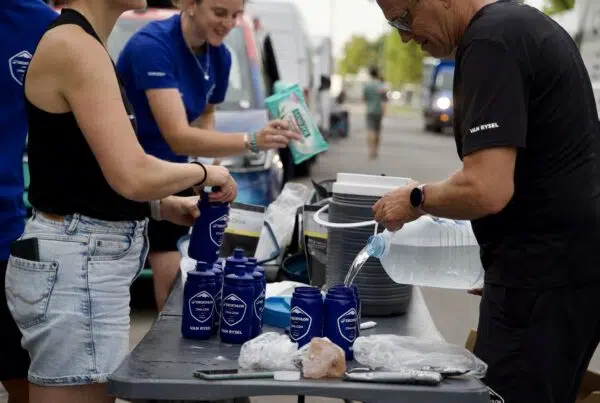
To streamline the supply chain, the team therefore prioritizes local purchases whenever possible. Cereal, oatmeal, and everyday grocery items are purchased in China, he explains, seeking out equivalents to European products. Bike cleaning supplies can also be delivered directly to the site, in coordination with suppliers, notably Muc-Off.
However, certain specific products are still shipped from France, such as nutrition bars—whose availability or characteristics may differ in China—as well as cartons of almond or soy milk, to ensure they have enough supplies for the first few days. In total, the staff is accompanied by four coolers for priority products and needs.
The challenge is as practical as it is athletic: after a long trip and dealing with jet lag, the “ riders ” must be able to quickly get back into their normal eating routines. Language barriers and differences in packaging then require a certain degree of flexibility when shopping locally. The goal remains to maintain their dietary habits as much as possible, without unnecessarily transporting goods that are available locally.

IV. A Synergy of Expertise
The success of this deployment depends on close coordination between the team and CEVA Logistics, a subsidiary of the CMA CGM Group. Its logistics expertise makes it possible to anticipate operational and regulatory constraints in an environment where rules can change rapidly.
Several months before the race, transportation arrangements are finalized. Thanks to this advance planning, the mechanics and assistants have a fully operational setup as soon as they arrive in China. More than 10,000 kilometers from France, success depends not only on the riders but also on this organization, which is the result of several months of planning and close coordination between the team and its partners.